
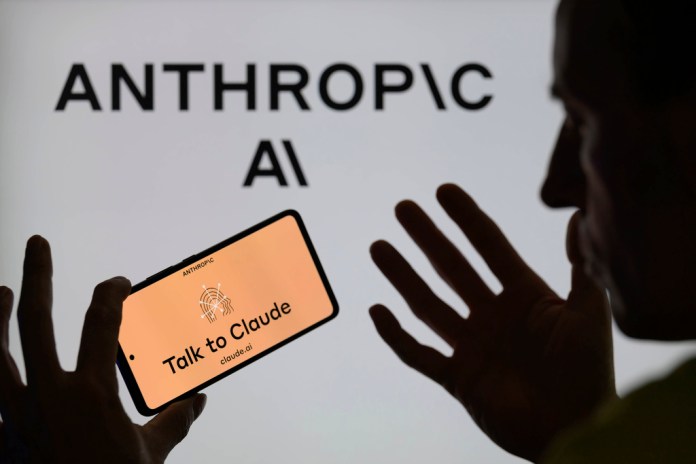
What the Trump-Anthropic fight reveals about US policy during AI race against China
Coveragetap to expand ▾Spectrum: Mixed🌍US: 1 · Other: 1
- The US government is actively seeking AI partnerships to maintain a competitive edge against China (per washingtonexaminer.com).
- Anthropic is a private company and retains the right to choose its clients, but the Pentagon can also seek other vendors (per washingtonexaminer.com).
- The AI race between the US and China is intensifying, with significant policy implications (per washingtonexaminer.com).
In a significant development in the global AI race, Donald Trump has banned Anthropic from supplying artificial intelligence products to the US government. This decision prompted OpenAI to swiftly secure a partnership with the US military, a move that Sam Altman, CEO of OpenAI, attributes directly to the ban on Anthropic.
The partnership underscores the urgency with which the US is approaching its technological competition with China, as both nations vie for supremacy in AI capabilities. The ban on Anthropic, a private AI firm, has sparked discussions about the US government's strategic priorities in the realm of artificial intelligence.
While Anthropic retains the right to select its clientele, the Pentagon's decision to pivot to OpenAI highlights its flexibility in vendor selection to meet national security needs. This shift is emblematic of the broader competitive dynamics at play, as the US seeks to maintain its technological edge over China.
The Trump administration's actions are part of a larger strategy to bolster national security through advanced technology. The administration views AI as a critical component of this strategy, and the partnership with OpenAI is seen as a step towards ensuring that the US remains at the forefront of AI innovation.
This move also reflects the administration's willingness to make decisive policy changes to achieve its strategic objectives. The AI race between the US and China is not just about technological advancement but also about geopolitical influence. The US government's focus on securing AI partnerships is driven by the need to counter China's growing capabilities in this field.
The partnership with OpenAI is expected to enhance the US military's technological prowess, providing it with advanced tools to address emerging threats. While the decision to ban Anthropic has been met with some criticism, it also highlights the complexities of navigating the AI landscape.
The US government's approach underscores the importance of aligning technological advancements with national security priorities. As the AI race continues to evolve, the implications of these partnerships will be closely watched by both domestic and international observers. The competitive nature of the AI race necessitates swift and strategic decision-making.
The Trump administration's actions demonstrate a commitment to maintaining the US's leadership in AI, even as it faces challenges from global competitors. The partnership with OpenAI is a testament to the administration's proactive approach in addressing these challenges and securing the nation's technological future.
- The US military gains advanced AI capabilities through its partnership with OpenAI, potentially enhancing national security and technological superiority.
- Anthropic faces potential revenue loss and market exclusion due to the ban, impacting its business operations and strategic positioning.
- The AI race with China intensifies, with the US government prioritizing technological partnerships to maintain a competitive edge.
- The decision reflects broader US policy shifts towards securing technological dominance in critical sectors like AI.
- Whether OpenAI expands its role in US military projects following the partnership.
- Potential legal or regulatory challenges to the Trump administration's ban on Anthropic.
- China's response to the US's strategic moves in the AI sector and any subsequent policy shifts.
Left- and right-leaning outlets are covering this story differently — in which facts to emphasize, which context to include, and how to frame causes and consequences.
2 specific areas where coverage diverges — see below.
- news.google.com highlights the urgency of OpenAI's partnership with the military, while washingtonexaminer.com focuses on the broader policy implications of the US-China AI race.
- No source mentions the specific AI capabilities or projects that OpenAI will develop for the US military.
- The economic impact on Anthropic due to the ban is not detailed in any source.