
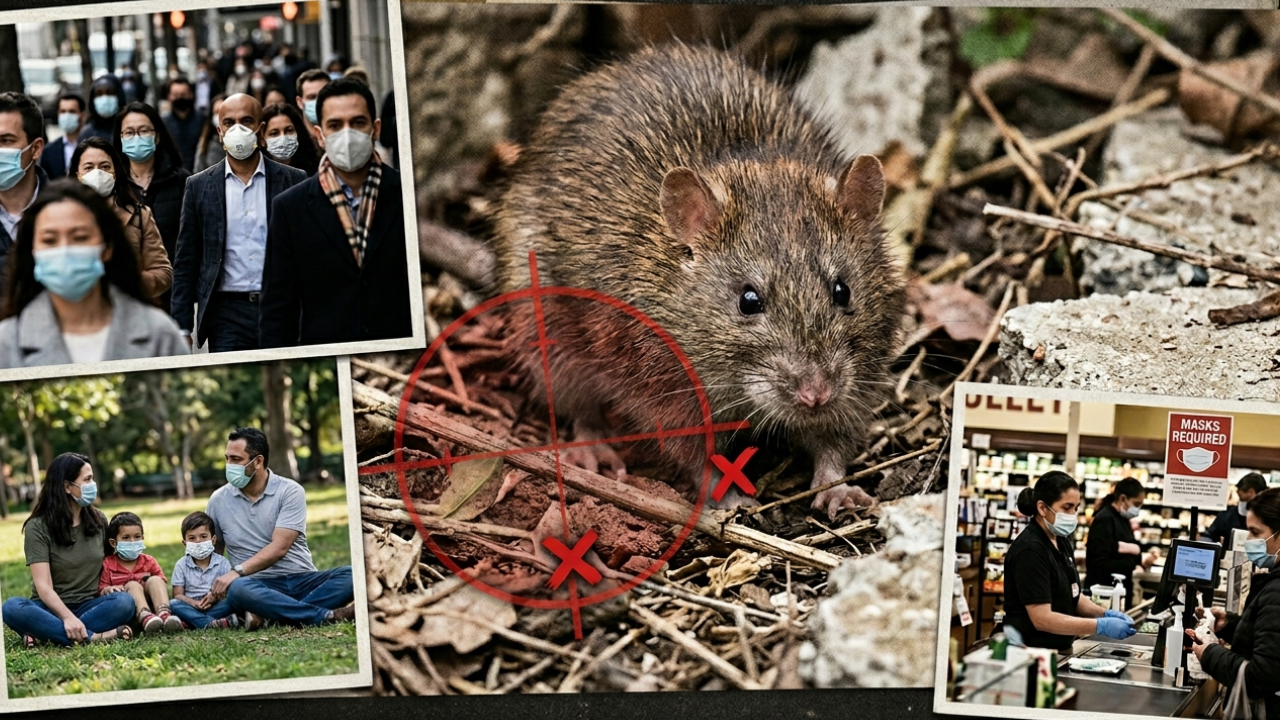
WHO Confirms KLM Flight Attendant Tested Negative for Hantavirus Infection
Topic: healthRegion: asia pacificUpdated: i3 outletsSources: 14Spectrum: Center OnlyFiltered: US/Canada (3/13)· Clear⏱ 4 min read📡 Wire pickup: 2⚠ 3d+ old
Story Summary
SITUATION
The World Health Organization (WHO) has confirmed that a KLM flight attendant tested negative for hantavirus infection, alleviating immediate concerns regarding the spread of this virus among airline staff and passengers. Hantavirus, which is primarily transmitted through contact with infected rodents, has been a growing concern, especially as health authorities draw parallels to the COVID-19 pand
Coveragetap to expand ▾Spectrum: Center Only🌍Other: 5 · US: 3 · Asia: 3 · Europe: 2
Political Spectrum
Position is inferred from coverage mix.
i3 outlets · Center
Left
Center
Right
Left: 1
Center: 12
Right: 0
Geography Coverage
Distribution of where coverage is coming from.
i3 unique outlets · Dominant: Global
KEY FACTS
- The World Health Organization confirmed that a KLM flight attendant tested negative for hantavirus infection (per Global Banking & Finance Review).
- Hantavirus is highly contagious, especially at the onset of symptoms, according to WHO warnings (per lamilano.it).
- Concerns about hantavirus have increased, drawing parallels to the COVID-19 pandemic (per news.google.com).
- There was a previous effort to develop a hantavirus vaccine, which has been halted (per Deccan Herald).
- Hantavirus is primarily transmitted through contact with infected rodents or their droppings (per news.google.com).
HISTORICAL CONTEXT
The confirmation by the Indian Council of Medical Research (ICMR) that there is no community spread of hantavirus in India comes amid heightened global concerns following a hantavirus outbreak on a cruise ship in the Asia Pacific region.
This incident, which resulted in the deaths of three individuals and several suspected cases, has drawn attention due to the potential implications for international travel and public health. The ICMR's assurance is crucial, considering India's dense population and the challenges of managing infectious diseases in such a context.
Brief
The World Health Organization (WHO) has confirmed that a KLM flight attendant tested negative for hantavirus infection, alleviating immediate concerns regarding the spread of this virus among airline staff and passengers.
Hantavirus, which is primarily transmitted through contact with infected rodents, has been a growing concern, especially as health authorities draw parallels to the COVID-19 pandemic. The WHO has emphasized that hantavirus is most contagious at the onset of symptoms, which can include fever and respiratory issues.
While there was a previous initiative to develop a vaccine for hantavirus, this effort has been halted, leaving public health experts wary of potential outbreaks. Currently, reporting on the situation remains limited, but health authorities are closely monitoring developments.
As the world continues to navigate the implications of various viral infections, the case of the KLM flight attendant highlights the importance of vigilance in public health protocols.
Why it matters
- The negative test result for the KLM flight attendant reduces immediate public health concerns about hantavirus transmission among airline staff and passengers.
- The WHO's warnings about hantavirus being highly contagious at the onset of symptoms indicate a need for heightened awareness and preventive measures in affected regions.
- The halted vaccine development for hantavirus underscores the challenges in addressing emerging infectious diseases, which can leave populations vulnerable.
What to watch next
- Whether WHO issues further guidance on hantavirus prevention measures in the coming weeks.
- Any updates on the status of hantavirus vaccine development efforts by researchers.
- Monitoring for any reported cases of hantavirus in regions where outbreaks have previously occurred.
Where sources differ
2 dimensionsFraming differences
?- Some sources emphasize the hantavirus's contagious nature and its similarities to COVID-19, while others focus solely on the KLM flight attendant's negative test.
Omitted context
?- No source mentions the specific geographical regions where hantavirus is most prevalent, which is crucial for understanding the risk.
Sources
3 of 13 linked articles · Filter: US/Canada