
Iran's Envoy Asserts US Cannot Sway China Amid Rising Tensions
Coveragetap to expand ▾Spectrum: Mixed🌍Asia: 2 · Other: 2 · US: 1
- There is speculation that the US might offer China trade concessions or tariff relief to pressure Iran (per scmp.com).
- China has expressed anger after one of its ships was attacked near the UAE, raising concerns about its potential involvement in the Iran conflict (per Hindustan Times).
- The US and Israel launched coordinated military strikes against Iran in early March 2026, which is part of the ongoing conflict backdrop (context).
- Iran maintains strong economic and political ties with China, which it believes will prevent Beijing from siding with the US (per scmp.com).
- The upcoming meeting between Chinese President Xi Jinping and US President Donald Trump is seen as a critical moment for US-China-Iran relations (per Hindustan Times).
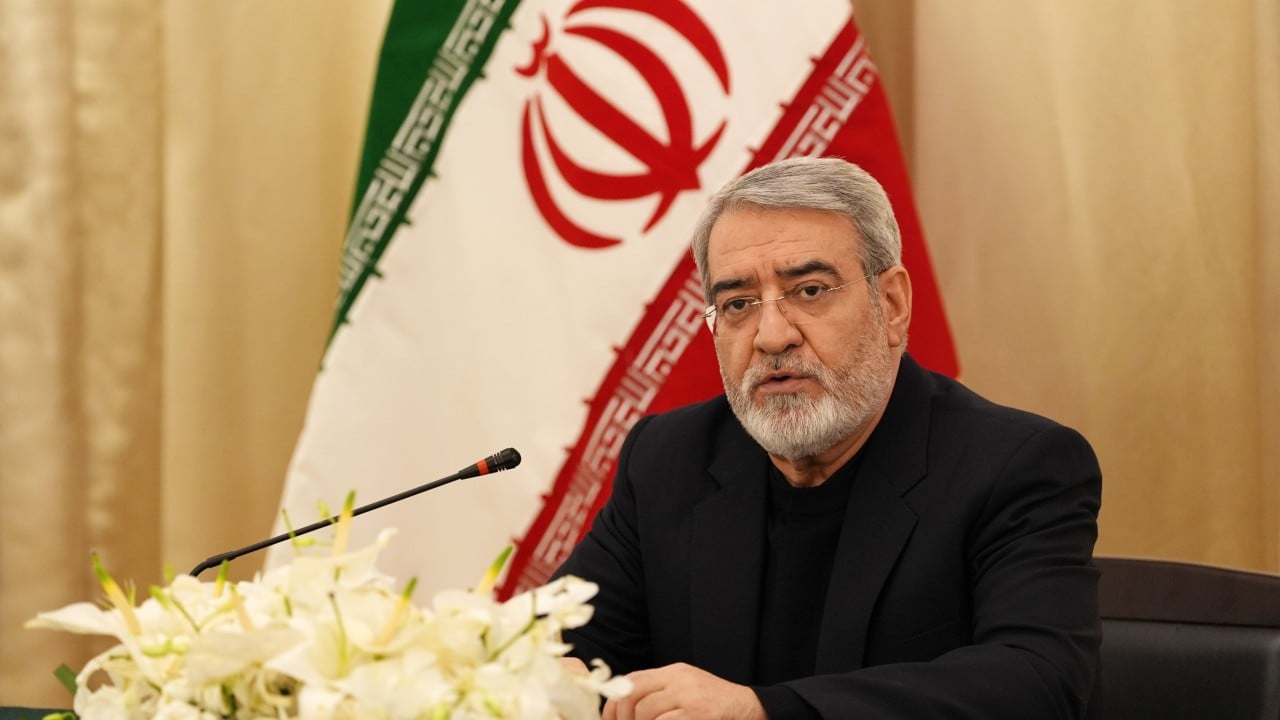
Iran's ambassador to China, Abdolreza Rahmani Fazli, has asserted that the United States does not possess the necessary leverage to turn Beijing against Tehran. His remarks come at a time when there is speculation that Washington might attempt to sway China by offering trade concessions or tariff relief in exchange for pressuring Iran.
This diplomatic maneuvering occurs against the backdrop of ongoing tensions in the Middle East, where the US and Israel have been engaged in military operations against Iran since early March 2026. Iran's confidence in its relationship with China is rooted in the strong economic and political ties between the two nations.
Tehran believes that these ties will prevent Beijing from aligning with the US against Iran. The ambassador's comments highlight the complexities of the geopolitical landscape, where alliances and economic interests play a significant role in shaping international relations.
Meanwhile, China has expressed anger following an attack on one of its ships near the UAE, which has raised concerns about its potential involvement in the Iran conflict. This incident adds another layer of complexity to the situation, as it could influence China's stance in the ongoing tensions.
The upcoming meeting between Chinese President Xi Jinping and US President Donald Trump is seen as a pivotal moment for US-China-Iran relations. The outcome of this meeting could have significant implications for the diplomatic dynamics in the region.
The US's strategy of potentially using trade incentives to influence China's position on Iran underscores the interconnectedness of economic and political interests in global diplomacy. However, Iran's ambassador remains confident that Beijing will not be swayed by such tactics.
As the situation unfolds, many governments will be closely watching the interactions between these major powers. The decisions made in the coming weeks could have far-reaching consequences for the balance of power in the Middle East and beyond.
- Iranian civilians bear the concrete costs of ongoing military operations, facing potential casualties and disruptions due to the conflict with the US and Israel.
- The US and Israel benefit from attempting to weaken Iran's position in the region through military and diplomatic strategies.
- China's economic interests in Iran, including energy and trade partnerships, are at stake if it were to align with the US against Tehran.
- Whether China shifts its stance on Iran following the Xi-Trump meeting.
- Potential US trade concessions to China in exchange for pressure on Iran.
- China's response to the attack on its ship near the UAE and any subsequent actions.
- scmp.com emphasizes Iran's confidence in its ties with China, while Hindustan Times highlights China's anger over the ship attack.
- The specific details of the US's potential trade concessions to China remain speculative.
- No source mentions the specific economic agreements between Iran and China that underpin their strong ties.
- The potential impact on Iranian civilians due to the ongoing conflict is not detailed in the sources.
- Abdolreza Rahmani Fazli claims the US lacks leverage to turn Beijing against Tehran (per scmp.com).