
Why public confidence in the police and justice system is plunging
Coveragetap to expand ▾Spectrum: Left Only🌍Asia: 1
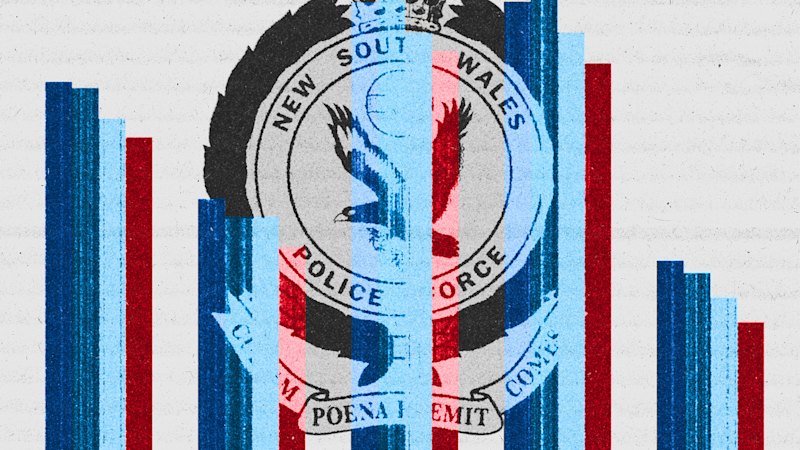
- While confidence in the justice system as a whole was down, attitudes towards the NSW Police had the biggest decline from 2019 to 2025.
- Confidence that police were meeting the needs of victims fell from 70 to 56 per cent, while confidence that cases were dealt with promptly dropped from 66 to 49 per cent.
- Confidence in police’s fairness and respect of accused people also dropped, as did confidence that police can bring offenders to justice.
- When confidence in the criminal justice system was low, it could impact people’s decision to come forward and report a crime, BOCSAR executive director Jackie Fitzgerald said.
- The report pointed to increased tension in the community during the pandemic, when restrictions on gatherings and travel were left to the police to enforce, as part of the decline.
Public confidence in the police and the criminal justice system has reached its lowest point in over a decade, driven by backlash against pandemic restrictions and heightened media scrutiny.
Recent findings indicate that only 54 percent of the public now trusts the criminal justice system, a stark decline attributed to the enforcement of COVID-19 measures by police, which has strained community relations.
Confidence in the NSW Police's ability to meet victims' needs has plummeted from 70 percent in 2019 to just 56 percent in 2025, while the perception of prompt case handling has dropped from 66 percent to 49 percent. This erosion of trust is compounded by increasing concerns over domestic violence and youth crime, which have drawn critical attention to policing practices.
Jackie Fitzgerald, executive director of the Bureau of Crime Statistics and Research (BOCSAR), emphasized that diminished confidence in law enforcement could discourage individuals from reporting crimes, further complicating the justice landscape.
The report underscores a significant shift in public sentiment, with many questioning the fairness and respect shown by police towards accused individuals. As the community grapples with these issues, the implications for crime reporting and overall public safety remain profound, suggesting a need for urgent reforms to restore trust in the justice system.
- The decline in public confidence in police and justice systems across the Asia Pacific has significant implications for community safety and social cohesion.
- As trust erodes, victims may hesitate to report crimes, leading to underreporting and a potential rise in unaddressed criminal activity.
- This situation disproportionately affects marginalized communities, who may already feel vulnerable and underserved, exacerbating feelings of isolation and fear.
- Furthermore, the diminished perception of police accountability can fuel civil unrest and hinder effective law enforcement, creating a cycle of distrust that undermines public safety and community well-being.
- Watch for the announcement from the National Police Agency regarding new community engagement initiatives aimed at rebuilding trust, expected within the next week.
- Monitor the upcoming parliamentary session where lawmakers will debate proposed reforms to the justice system, scheduled for next month.
- Keep an eye on public opinion polls released by local research firms, which will provide insights into changing perceptions of law enforcement, expected in the next two weeks.
- Anticipate statements from civil rights organizations following a planned protest against police practices, set to take place this weekend.
- Look for responses from regional police departments regarding the implementation of transparency measures, which are due to be reported by the end of the quarter.