
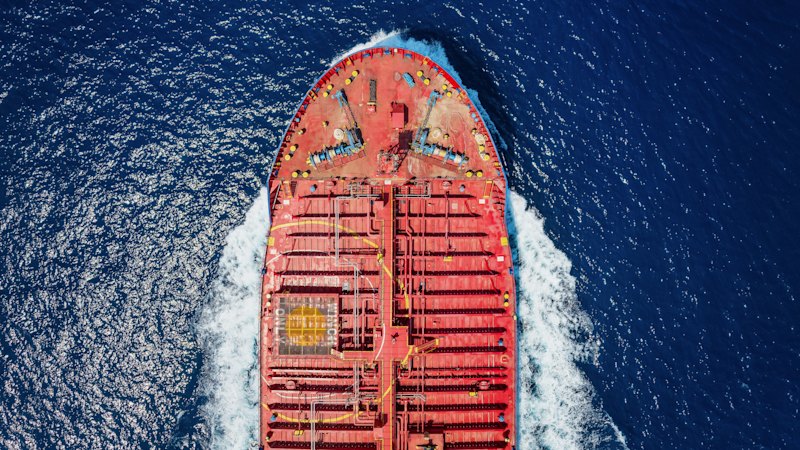
Australia Sources Oil Amid Ongoing US
Topic: defense & securityRegion: AsiaUpdated: i2 outletsSources: 4Spectrum: Mostly Center⏱ 4 min read⚠ 3d+ old
Story Summary
SITUATION
Australia is actively sourcing oil to mitigate potential disruptions in global supply chains caused by the escalating US-Iran conflict, which threatens regional stability and energy security in the Asia Pacific. This strategic move underscores Australia's commitment to maintaining its energy independence amidst rising geopolitical tensions.
Coveragetap to expand ▾Spectrum: Mostly Center🌍Other: 2 · Europe: 1 · Asia: 1
Political Spectrum
Position is inferred from coverage mix.
i2 outlets · Center
Left
Center
Right
Left: 1
Center: 3
Right: 0
Geography Coverage
Distribution of where coverage is coming from.
i2 unique outlets · Dominant: Global
KEY FACTS
- With no end in sight to US-Iran war, Australia is getting oil from some unlikely places
- The most positive news for the region is that oil is flowing to Asia’s giant refineries from far-flung countries around the world.
- Producers are scrambling to fill the gap created by the Middle Eastern blockade and cash in on war prices.
HISTORICAL CONTEXT
The ongoing military conflict between the United States and Iran, which escalated significantly in March 2026, has created a volatile environment in the Middle East and has far-reaching implications for global oil supply chains.
This conflict was initiated by coordinated military strikes from the United States and Israel against Iranian military infrastructure, including power plants and air defenses. The Iranian military has since responded with its own military actions, which are direct reactions to the US-Israeli campaign.
Brief
As the US-Iran war continues with no end in sight, Australia is adapting its oil procurement strategies, turning to unconventional sources to secure its energy needs.
The conflict, which reignited in late February 2026, has raised alarms about the potential closure of the Strait of Hormuz, a vital shipping route that facilitates the passage of 15 percent of the world's oil supply. This situation has prompted Asian refineries to rethink their supply chains, as they face disruptions from the ongoing hostilities.
Australia, recognizing the risks associated with traditional oil suppliers, is now exploring alternative avenues to ensure a steady flow of oil. The reopening of hostilities has not only affected Australia but has also sent shockwaves through the global oil market, compelling nations reliant on Middle Eastern oil to reassess their strategies.
While the US and Iran remain locked in conflict, the ramifications are felt far beyond their borders, reshaping the dynamics of global oil trade and prompting countries like Australia to seek stability in uncertain times.
Why it matters
- Australia's decision to source oil from unconventional suppliers amid the ongoing US-Iran conflict highlights the urgent need for energy security in the Asia-Pacific region.
- This shift directly impacts Australian consumers and industries, as it aims to stabilize fuel prices and ensure a steady supply despite disruptions in traditional Middle Eastern routes.
- Additionally, the influx of oil from diverse sources may lead to increased competition among producers, potentially lowering costs for businesses reliant on energy and mitigating inflationary pressures on households.
What to watch next
- Watch for Australia's announcement of new oil sourcing agreements with Southeast Asian nations within the next 72 hours, aimed at diversifying its energy supply.
- Monitor the U.S. Department of Defense's response to Australia's oil sourcing strategy, particularly any statements or policy adjustments expected before the upcoming regional security summit.
- Anticipate a potential joint military exercise announcement between Australia and its allies, which could be revealed in the next two weeks, focusing on energy security in the Asia Pacific.
- Keep an eye on the Australian Parliament's discussions regarding energy policy reforms, expected to take place before the end of the month, which may impact future oil sourcing strategies.
Sources
4 of 4 linked articles
With no end in sight to US-Iran war, Australia is getting oil from some unlikely places
smh.com.auJun 10Center
↗
US Apache helicopter crashes near the Strait of Hormuz
au.news.yahoo.comJun 9Left
↗
Will Iran give up on ceasefire talks as strait of Hormuz blockade continues?
theguardian.comJun 9Left
↗
2026 Iran war | Explained, United States, Israel, Strait of Hormuz, Map, & Conflict
britannica.comMay 8Left
↗