
Trump and Netanyahu Clash Over Iran Conflict Strategy at G7 Summit
Coveragetap to expand ▾Spectrum: Mostly Center🌍Other: 3 · US: 2
- Trump and Netanyahu jointly launched the Feb.
- 28 strikes on Tehran that began the war but are now on different tracks over how the conflict should end.
- “Without us, without the United States, there would be no Israel,” Trump said Tuesday during a bilateral meeting with Emir Sheikh Tamim Bin Hamad Al Thani of Qatar.
- US, Iran inch closer to deal, Trump says Sunday but timing remains unclear - Reuters
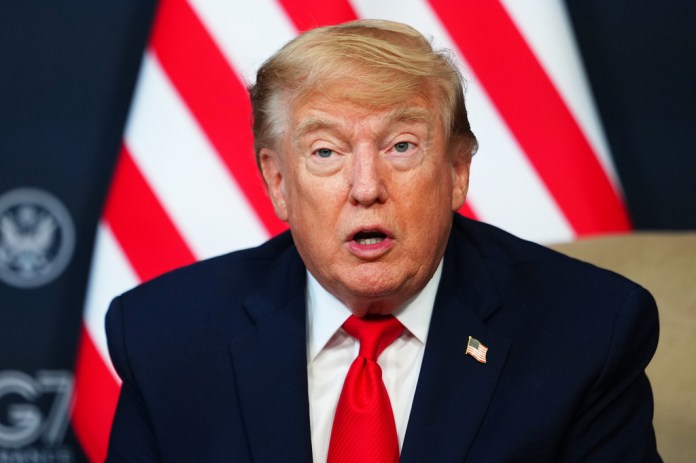
At the G7 summit in Evian, France, President Donald Trump and Israeli Prime Minister Benjamin Netanyahu showcased their growing rift over strategies to resolve the ongoing conflict in Iran. Trump criticized Israel's military actions against Hezbollah, an Iranian-backed group, suggesting that Syria should take responsibility for dealing with Hezbollah instead.
This criticism marks a significant departure from the previously unified front the two leaders presented when they jointly launched military strikes on Tehran on February 28, which initiated the current war. While Trump emphasizes a rapid end to the conflict, Netanyahu appears to maintain a more cautious approach, particularly regarding military engagements in Lebanon.
The Israeli military has stated that its recent strikes were retaliatory, aimed at preventing further attacks on northern Israel. Trump's assertion that without the United States, there would be no Israel underscores the U.S.'s pivotal role in Israeli security, yet it also reflects a growing frustration with Israel's military strategy.
The preliminary ceasefire agreement, which includes a proposed withdrawal of Israeli forces from Lebanon, has met with resistance from Netanyahu, indicating a potential stalemate in negotiations. As the U.S. pushes for a resolution, the differing perspectives of Trump and Netanyahu could complicate efforts to stabilize the region.
Left- and right-leaning outlets are covering this story differently — in which facts to emphasize, which context to include, and how to frame causes and consequences.